Walnut Coffee: What It Is and How to Make It

Contents
“Walnut coffee” can mean two quite different drinks. One is a caffeine-free brew made from roasted walnuts and nothing else. The other is regular coffee blended or flavored with walnut, which still has caffeine. Both are easy to make at home, and it matters which one you’re buying if you’re trying to avoid caffeine. Below you’ll find what each one is, what the walnuts do and don’t add nutritionally, and how to make both.
What is Walnut Coffee?
In its caffeine-free form, walnut coffee is made from walnuts that are roasted dark, ground coarsely and steeped in hot water. That makes it one of the less common alternatives to traditional coffee. The drink is brown and smells strongly of toasted nuts. It tastes nutty and a little bitter from the roast, but it’s lighter-bodied and much less bitter than coffee. Nobody will mistake it for an espresso.
Walnuts are about two-thirds fat, which makes them behave differently from coffee beans. Grind them too fine and they turn into nut butter. Brew them and some oil floats to the top. That’s normal, and many people like the richer mouthfeel it gives.
The other version is simpler: ground coffee mixed with chopped roasted walnuts, or coffee beans flavored with walnut. You get coffee with a nutty edge, plus the usual caffeine.
The Origins of Walnut Coffee
There’s no well-documented history of walnut coffee as a traditional drink. Roasted nuts, seeds and acorns have long been used as coffee substitutes when coffee was scarce or expensive, especially in Europe during wartime shortages, and walnut coffee belongs to that same make-do tradition.
The modern version comes from two directions. Flavored coffee roasters sell walnut-flavored beans alongside hazelnut and pecan. Meanwhile, people cutting out caffeine have experimented with roasting their own nuts, seeds and roots as a substitute. Walnut coffee is still a niche drink, and you’re more likely to make it at home than to find it on a café menu.
Health Benefits of Walnut Coffee
Nutritional Value of Walnuts in Coffee
Walnuts are one of the better nuts nutritionally. They’re high in omega-3 fat (in the form of ALA), and they contain polyphenols, magnesium and fiber. The catch is that brewing and straining leaves most of that behind in the grounds. A cup of brewed walnut coffee contains some flavor compounds and a little oil, not a handful of walnuts’ worth of nutrition.
If you want the nutrition, blend the walnuts into the drink instead of straining them out. More on that in the recipes below.
Antioxidants and Health Benefits
Walnuts and coffee both contain antioxidants, mainly polyphenols. In a blend with real coffee, most of the antioxidants come from the coffee. In a pure walnut brew, you get a smaller amount from the nuts. Either way, it’s a pleasant drink, not a health supplement. The best-supported benefit is simply that caffeine-free walnut coffee lets you cut caffeine.
Potential Risks and Precautions
Walnuts are a common tree nut allergen. If you have a tree nut allergy, avoid walnut coffee completely, and be careful with flavored coffees, which may or may not contain real nut. Also check whether a product is a walnut-coffee blend: if it contains coffee, it contains caffeine. And because walnuts are oily, ground walnuts go rancid quickly. Keep them in the fridge and use them within a week or two.
FAQs
Does Walnut Coffee Contain Coffee Beans?
It depends on the product. Homemade walnut coffee made from roasted walnuts alone contains no coffee and no caffeine. Many store-bought “walnut coffees”, however, are regular coffee with walnut flavoring or pieces of walnut. Read the ingredients list. If coffee is on it, so is caffeine.
Is Walnut Coffee a Supplement to Coffee?
It can be either. Pure walnut coffee works as a substitute: a caffeine-free hot drink for the afternoon or evening, or for when you’re cutting back. A walnut-coffee blend works more like flavored coffee: you still get the caffeine, just with a nuttier taste. Some people mix the two, using half walnut and half coffee, to cut their caffeine roughly in half without changing their routine much.
Walnut Coffee Recipes
Basic Walnut Coffee Recipe
Roast plain walnut halves on a tray at about 350°F (175°C) for 10 to 15 minutes, stirring once or twice, until they’re deep brown and smell toasty. Nuts go from roasted to burnt very quickly, so watch them toward the end. Let them cool completely. Then pulse them in a coffee grinder or food processor until they’re coarse, like French press coffee. Don’t grind them fine or you’ll end up with paste.
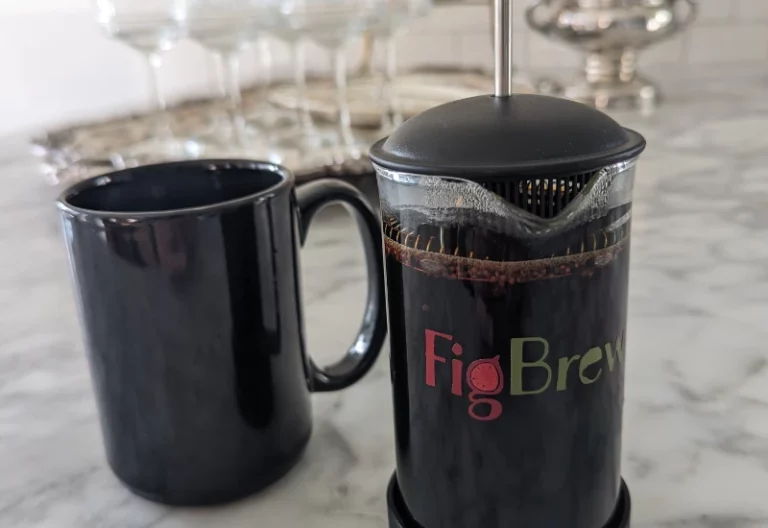
Use about 2 tablespoons of ground walnuts per cup of hot water. Steep for 5 minutes in a French press, then plunge and pour. For a creamier, more nutritious drink, put the roasted walnuts and hot water in a blender instead, blend until smooth, and strain if you want it less gritty. A little honey or maple syrup and a pinch of salt help bring out the flavor.
Walnut Coffee Blend Recipe
This version is coffee with a nutty edge and a lower caffeine dose per scoop. You need:
- Coarsely ground roasted walnuts
- Ground coffee
- Hot water
- Optional sweeteners
Here’s how to make it:
- Selection of Ingredients: Use plain walnuts you’ve roasted yourself (as above) and a medium or dark roast coffee. Light roasts can clash with the nuts.
- Ratio Measurement: Start with 1 part ground walnuts to 3 parts coffee. Go up to half and half if you want more nut flavor and less caffeine.
- Blending: Mix the walnuts and coffee. Make only as much as you’ll use in a week, because the walnuts go stale.
- Brewing: A French press works best, since the oil can clog paper filters. Steep for 4 minutes, then plunge.
- Sweetening (Optional): Add honey or sugar to taste. Walnuts make coffee taste a bit sweeter already, so you may need less than usual.
The result is coffee with a toasted, slightly buttery note and a bit more body.
Variations and Customization
- Flavored Syrups: Vanilla and maple work well with walnut. Caramel is good too. Chocolate syrup turns it into something closer to a mocha.
- Spice Infusions: Add a pinch of cinnamon, nutmeg or cardamom to the grounds before brewing. Cinnamon and walnut is a particularly good pairing.
- Iced Creations: Brew it strong, let it cool and pour it over ice with milk. The blended version makes a good cold walnut latte.
- Customization Empowerment: Change the ratio, the roast and the brewing time until you find what you like. Darker-roasted walnuts give a more coffee-like taste, lighter ones a sweeter, nuttier one.
Where to Buy Walnut Coffee
Online and Offline Retailers
Pure, caffeine-free walnut coffee is hard to find ready-made. Most of what’s sold under the name is walnut-flavored coffee. Here’s where to look:
- Specialty Coffee Retailers: Some roasters sell walnut- or nut-flavored beans, often seasonally. Ask whether the flavor comes from real nuts or added flavoring if you have an allergy.
- Online Coffee Shops: The widest selection of flavored coffees, including walnut. Check the ingredients carefully.
- Health Food Stores: More likely to carry roasted nut or seed blends sold as caffeine-free coffee substitutes, sometimes with walnut in the mix.
- Global Platforms: Big online marketplaces list many walnut coffee products, from flavored beans to nut-based blends. Quality varies, so read the reviews and the ingredients list.
- Local Options: Honestly, the easiest option is the baking aisle. A bag of plain walnuts and a hot oven will get you a fresher cup than most products you can buy.
Quality and Authenticity
When buying, check three things: whether it contains coffee (and therefore caffeine), whether it uses real walnuts or flavoring, and how fresh it is. Walnut oil goes rancid, so stale walnut coffee tastes bitter and like paint. Buy small amounts, and if you make your own, roast in small batches.
Conclusion
If you want to cut caffeine, homemade walnut coffee is easy to make and pleasant to drink. Just expect a toasty, nutty drink rather than a coffee replacement. If you love coffee but want something different, a walnut-and-coffee blend at 1:3 is a good place to start. Either way, roast your own walnuts in small batches, and steer clear of it if you have a nut allergy.