AIP Coffee Alternatives for a Healthier Lifestyle

Contents
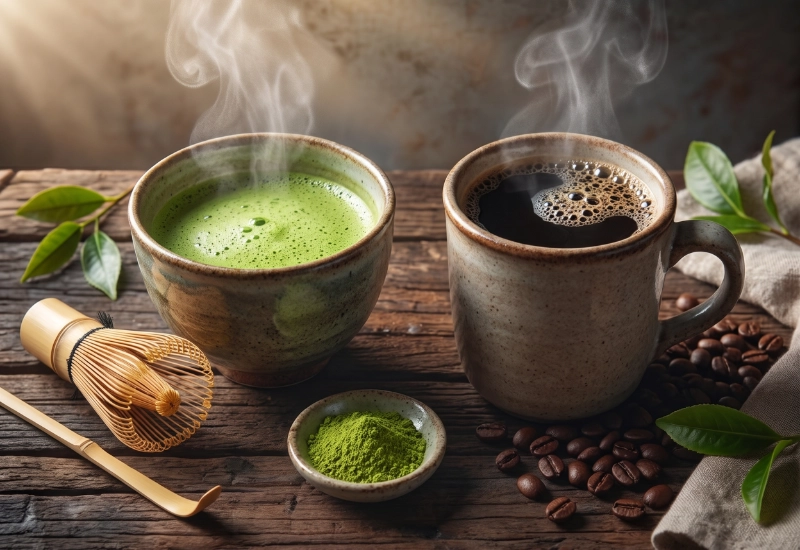
Coffee is off the menu during the elimination phase of the Autoimmune Protocol (AIP), and for a lot of people that’s the hardest part. The good news is that there are AIP coffee alternatives that come surprisingly close, mostly made from roasted roots like dandelion and chicory. The catch is that many products sold as “coffee substitutes” contain grains, nuts or even coffee, so they don’t qualify. This guide covers what’s allowed, what isn’t, and how to make your own.
What is AIP Coffee Alternatives?
Understanding AIP Diet
The Autoimmune Protocol is a stricter version of the paleo diet, designed for people with autoimmune conditions. It’s an elimination diet: you cut out a long list of foods that might trigger inflammation for a period, usually 30 to 90 days, then reintroduce them one by one to see which ones cause problems.
- Elimination of Trigger Foods: The elimination phase removes grains, dairy, legumes, nuts, seeds (including seed-based spices), nightshades, eggs, coffee, alcohol, refined sugar and processed foods.
- Focus on Healing Foods: What’s left is meat, fish, organ meats, plenty of vegetables, some fruit, healthy fats like olive oil and coconut, fermented foods and bone broth.
- Supporting Gut Health: A lot of AIP thinking centers on the gut, including the idea that a more permeable (“leaky”) gut lining plays a role in autoimmunity. That theory is still being researched, but a diet built around vegetables, fiber and fermented foods is good for gut bacteria either way.
- Lifestyle Factors: AIP also stresses sleep, stress management and gentle exercise, which arguably matter as much as the food.
The evidence for AIP is still limited to small studies, mostly in inflammatory bowel disease1 and Hashimoto’s thyroiditis2, though the results for symptoms and quality of life have been promising. It’s best done with a doctor or dietitian, especially since it’s restrictive.
Role of Coffee in AIP Diet
Coffee is excluded in the elimination phase because coffee beans are seeds and because caffeine is a stimulant. You may also read that coffee “cross-reacts” with gluten. That claim comes from a single lab study and hasn’t held up well, so don’t let it worry you. Coffee is usually one of the foods people try reintroducing once the elimination phase is over.
In the meantime, you’ll need a different morning drink. A few kinds fit the rules:
- Roasted root coffees: Dandelion and chicory root are both AIP-compliant and taste the most like coffee. Chicory root also contains inulin, a prebiotic fiber that feeds gut bacteria.
- Herbal teas: Most single-herb teas are fine, such as peppermint, ginger, rooibos and chamomile. Check blends for seed-based spices.
- Golden milk: Turmeric and ginger in coconut milk, with no black pepper, since that’s a seed spice and is out during elimination.
Benefits of AIP Coffee Alternatives
Natural and Herbal Alternatives
These are the main AIP-friendly options:
- Herbal Teas: The simplest option. Peppermint and ginger are good in the morning, chamomile and rooibos later in the day. All are caffeine-free.
- Mushroom-Based Beverages: Reishi and chaga powders can be brewed or stirred into hot water for an earthy, slightly bitter drink. Be careful with commercial mushroom-based beverages, though. Most are blended with coffee, cacao or other non-compliant ingredients, so only pure mushroom powder counts.
- Coconut Milk-Based Drinks: Coconut milk is allowed and makes any of the above feel more like a latte. Look for one without added gums or emulsifiers, or make your own from shredded coconut.
Health Benefits of AIP Coffee Replacement
The main benefit is that these drinks let you follow AIP without losing your morning routine. Beyond that, keep expectations realistic:
- Gut bacteria: Chicory and dandelion root contain inulin, a prebiotic fiber. It feeds beneficial gut bacteria, but it can cause gas and bloating, especially if you also have IBS3. Start with a weak cup.
- Inflammation: Turmeric and ginger have anti-inflammatory compounds, but the amounts in a drink are modest. Think of it as a small plus, not a treatment.
- Sleep: All of these are caffeine-free, so many people sleep better once they make the switch.
- Antioxidants: Herbal teas, roasted roots and turmeric all contain polyphenols. Coffee does too, so this is more about not losing out than gaining extra.
You’ll sometimes see AIP drinks marketed as supporting “adrenal health”. There’s no good evidence for that, so ignore it.
How to Make AIP Coffee Substitute at Home
DIY Herbal Coffee Recipes
The easiest homemade AIP coffee uses roasted dandelion root and chicory root, both of which you can buy ready-roasted. For one large mug, simmer 1 tablespoon of each in about 12 ounces of water for 5 to 10 minutes, then strain. Dandelion is earthier, while chicory is more bitter and coffee-like, so adjust the ratio to taste.
To round it out, add a cinnamon stick or a slice of fresh ginger to the pot, stir in a teaspoon of carob powder for a mocha-like flavor, and top it with warm coconut milk. Sweeten with a little honey or maple syrup if you want. Most AIP guides allow both in small amounts.
Before buying a ready-made herbal coffee, check the ingredients. Many well-known blends contain barley, rye, almonds or other non-compliant ingredients, even if they’re caffeine-free.
Preparing Mushroom Coffee at Home
Mushroom coffee as you’ll find it in shops usually contains real coffee, so it’s not AIP-compliant during elimination. Here’s how to make a compliant version, plus what to do once you’ve reintroduced coffee:
- Root-Based Method: Stir a teaspoon of pure reishi, chaga or lion’s mane powder into a cup of brewed dandelion or chicory root. You get the earthy mushroom taste with a coffee-like base and no caffeine. This is the AIP-friendly version.
- Mushroom Tea Infusion: Simmer a few dried chaga chunks or reishi slices in water for at least 15 to 20 minutes, longer for a stronger brew. Strain, and drink it on its own or with coconut milk. Chaga is mild and slightly vanilla-like, while reishi is very bitter.
- Mushroom Coffee Mix: Pre-made mixes are convenient, but almost all of them contain instant coffee or cacao. Save these for after you’ve successfully reintroduced coffee.
Mushroom supplements can interact with some medications, especially blood thinners and diabetes drugs, so check with your doctor before making them a daily habit.
Best Practices for Incorporating AIP Coffee Alternatives into Daily Routine
Transitioning from Regular Coffee to AIP Alternatives
If you drink a lot of coffee, quitting on day one of AIP can mean a week of caffeine withdrawal headaches on top of a big diet change. If you can, cut down over a week or two before you start, swapping one cup at a time for a root coffee. Expect the first few cups to taste odd. Most people find root coffees grow on them after about a week, especially with coconut milk and a bit of cinnamon.
Finding AIP-Friendly Cafes and Stores
Truly AIP-friendly cafés are rare. Even a herbal latte will often be made with oat or almond milk, or with a spice blend containing seeds. When you’re out, a plain peppermint or rooibos tea is the safest order. Ask whether they have coconut milk if you want to add some.
For buying ingredients, health food stores and online shops are your best bet. Look for single-ingredient products: roasted dandelion root, roasted chicory granules, carob powder, pure mushroom powders and coconut milk without additives. Buying single ingredients is easier than checking every blend for barley, nuts or seeds, and you can mix them however you like at home.
There are also AIP-specific online shops and recipe communities, which are helpful for finding products that have already been checked against the elimination list.
Conclusion
For most people on AIP, a roasted dandelion and chicory brew with coconut milk is the best coffee replacement. It’s dark, bitter and warm, and fully compliant. Keep herbal teas for later in the day and save commercial mushroom coffees for after reintroduction. Read every label, because “caffeine-free” doesn’t mean “AIP-friendly”. And when the elimination phase is over, try reintroducing coffee carefully: you may find you tolerate it fine.
Sources
-
Efficacy of the Autoimmune Protocol Diet for Inflammatory Bowel Disease, Inflammatory Bowel Diseases, 2017 ↩
-
Efficacy of the Autoimmune Protocol Diet as Part of a Multi-disciplinary, Supported Lifestyle Intervention for Hashimoto’s Thyroiditis, Cureus, 2019 ↩
-
Colon Hypersensitivity to Distension, Rather Than Excessive Gas Production, Produces Carbohydrate-Related Symptoms in Individuals With Irritable Bowel Syndrome, Gastroenterology, 2017 ↩