Herbal Coffee: The Best Options and How to Make It
Contents
Herbal coffee is any coffee-like drink made without coffee beans, usually from roasted roots, grains, pods or seeds. Most of it is caffeine-free, easier on the stomach than coffee, and closer in taste than you might expect, especially with milk. This guide covers what goes into it, what it can realistically do for you, the main types worth trying and how to make your own.
What is Herbal Coffee?
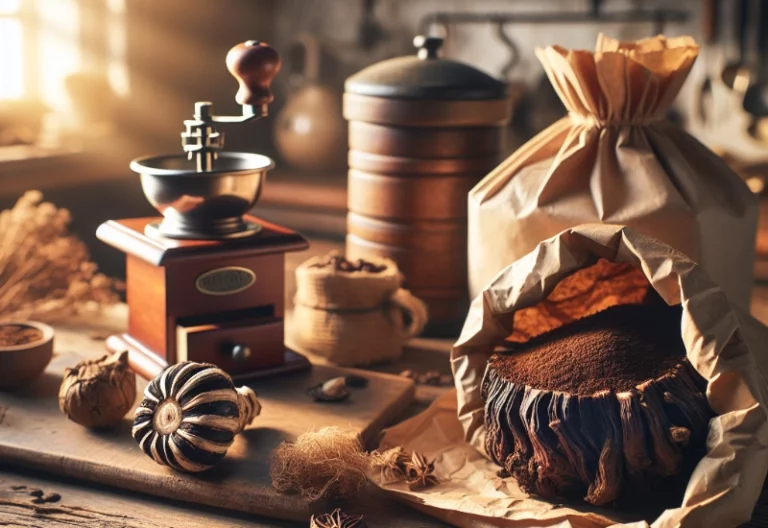
Herbal coffee is a drink made to taste and look like coffee, using ingredients other than coffee. The usual suspects are chicory root, dandelion root, carob, barley and rye, though you’ll also see dates, figs, almonds and chickpeas.
The trick is roasting. Roasting turns sugars and starches brown and bitter, which is where most of coffee’s flavor comes from too. Grind a roasted root or grain and brew it, and you get a dark, toasty cup that’s recognizably coffee-ish. It won’t have the acidity, the aroma or the kick of real coffee, but it scratches the same itch. Most herbal coffees are naturally caffeine-free.
Beyond the classic roasted blends, you’ll also find drinks sold under the herbal coffee banner that work differently:
- Roasted herbal blends: The classic type. Roasted roots and grains, sometimes with spices, ground and brewed like coffee. Teeccino and Dandy Blend are well-known examples.
- Superfood mixes: Powders built around ingredients like maca, turmeric or cacao. They’re usually stirred into hot water or milk and taste more like a spiced latte than coffee. Cacao contains some theobromine, a mild stimulant.
- Ayurvedic brews: Blends based on Ayurvedic tradition, often with ashwagandha, ginger and warming spices. They make a pleasant hot drink, but take the claims about balancing doshas as tradition, not science.
Health Benefits of Herbal Coffee
Most of the benefits come down to what herbal coffee doesn’t have (caffeine and coffee’s acids) plus a few useful things in the ingredients. Herbal coffee also has a long folk history; Turkey, for one, still has a living tradition of chickpea coffee.[1] What it offers:
- No caffeine: The main reason most people switch. Herbal coffee’s lack of caffeine makes it a good fit if caffeine gives you anxiety, insomnia or heart palpitations, and you won’t get the jitters or the afternoon crash.
- Antioxidants: Chicory, dandelion and carob all contain polyphenols. A cup won’t transform your health, but it’s not empty either.
- Gut-friendly fiber: Chicory and dandelion roots contain inulin, a prebiotic fiber that feeds beneficial gut bacteria. The flip side is that inulin can cause gas and bloating, particularly if you have IBS, so start small.
- Lower acidity: Roasted roots and grains are much less acidic than regular coffee, which is why people with acid reflux or a sensitive stomach often do better on them.
- Some minerals: Dandelion root contains potassium and small amounts of iron and zinc. The vitamin-rich part of the dandelion is the leaf, not the root, so don’t count on a cup of root coffee for vitamins.
- Traditional uses: Certain herbal coffee ingredients, especially dandelion root, have been traditionally used in folk medicine for the liver and digestion. Modern evidence in humans is limited.
- Plenty of flavors: Herbal coffees come in a variety of flavors, from bitter and roasty to sweet and chocolatey, so if one doesn’t suit you, another might.
A few cautions. Blends with barley or rye contain gluten. Chicory and dandelion can bother people with ragweed allergies. Dandelion may interact with some medications, including diuretics and lithium. If you have a health condition, are pregnant or take regular medication, check with your doctor before drinking any herbal blend daily.
Popular Herbal Coffee Alternatives
Dandelion Root Coffee
Dandelion root coffee is made from dried, roasted dandelion roots. It’s dark, slightly bitter and earthy, a little like chicory but softer and less sharp. It’s caffeine-free and often mixed with chicory in commercial blends. On its own it’s on the thin side, so many people add milk.
Chicory Coffee
Chicory coffee is the classic coffee substitute, made from roasted chicory root. It brews darker and more bitter than most herbal options, with a woody, slightly caramel flavor. It’s been used to stretch coffee for two centuries and is still mixed with coffee in New Orleans. Pure chicory is caffeine-free; coffee-and-chicory blends are not.
Yerba Mate
Yerba mate is a different kind of alternative. It’s an infusion of the dried leaves of a South American holly, and it contains caffeine, so it’s not for anyone avoiding stimulants. It’s here because many coffee drinkers switch to it for a gentler lift.
- Heritage: It was drunk by the Guaraní people long before Europeans arrived and is now the everyday drink of Argentina, Uruguay, Paraguay and southern Brazil.
- Caffeine: A typical cup has less caffeine than coffee, though strong traditional preparations can get close. Many people find the lift feels smoother.
- Flavor: Grassy, bitter and a bit smoky, closer to green tea than coffee. It’s an acquired taste.
Traditionally it’s sipped from a gourd through a metal straw (a bombilla) and topped up with hot water many times, often shared around a group. You can just as easily brew it in a French press.
Roasted Carob Coffee
Roasted carob is made from the pods of the carob tree, roasted and ground. It’s naturally sweet with a cocoa-like flavor, which makes it a good choice if you liked mochas. Carob is caffeine-free and has no theobromine, unlike cacao. On its own it can taste a little flat, so it’s often blended with chicory or barley to add bitterness.
Barley Coffee
Barley coffee is made from roasted barley grains. It tastes toasty and malty, a bit like the crust of a loaf of bread, and has a gentler bitterness than chicory. In Italy it’s sold as caffè d’orzo, and some cafés there serve it from an espresso machine.
Roasted grain drinks have been used as coffee substitutes for a long time in Europe, especially in wartime and when coffee was expensive. Barley was one of the most common because it was cheap and everywhere.
To make it at home, use about 1 to 2 tablespoons of ground roasted barley per cup of water. Simmer it for 5 minutes or steep it in a French press, then strain. Milk and a little honey suit it well.
Barley coffee is low in acid and caffeine-free, which makes it easy on the stomach. It does contain gluten, so it’s not suitable for anyone with celiac disease.
How to Make Herbal Coffee Alternatives at Home
Methods of Preparation
You don’t need special equipment. There are three basic approaches, and which one you use depends on the ingredients.
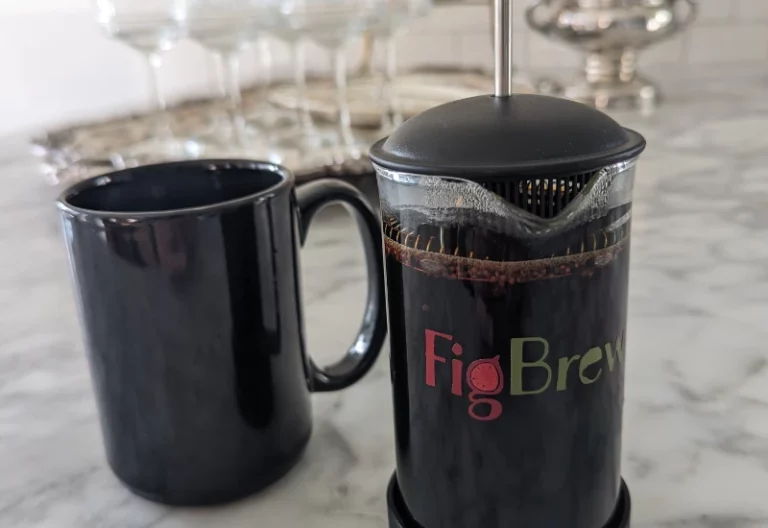
Steeping means pouring hot water over the ingredients and letting them sit, as with tea. It works for lighter, flaky ingredients and for herbal coffees sold in tea bags. Give it 5 minutes or more; roasted roots release flavor slower than coffee does.
Simmering means boiling the ingredients in water on the stove for 5 to 15 minutes. This is the best way to get flavor out of hard, dense things like whole roots, chunks of carob or cinnamon sticks. It gives the strongest, most coffee-like cup.
Infusing in milk means simmering the ingredients directly in dairy or plant milk, then straining. It’s richer and makes a latte-style drink in one pot. Keep the heat low so the milk doesn’t catch.
DIY Herbal Coffee Blends
The easiest way to start is with a roasted base, usually chicory, dandelion or barley, and then add flavorings. A good starting ratio is about 3 parts base to 1 part flavorings.
Warm spices that go with almost any base:
- Cinnamon sticks
- Cardamom pods
- Ginger root
- Vanilla beans
- Cocoa nibs
Lighter additions, used sparingly:
- Citrus zest
- Peppermint leaves
- Lavender buds
For more depth and a licorice note:
- Fennel seeds
- Star anise
- Chicory root
Some combinations that work: chicory with cinnamon and cardamom; barley with cocoa nibs and vanilla; dandelion with ginger and orange zest. Lavender and peppermint can easily overpower a blend, so start with a pinch.
Crush whole spices lightly before adding them so they release their flavor in the brew. Store your blend in an airtight jar and use it within a few weeks, since ground spices fade fairly quickly.
Incorporating Herbal Coffee Alternatives into Your Routine
Replacing Regular Coffee
If you drink a lot of coffee, don’t swap it all out at once. Caffeine withdrawal can cause headaches, tiredness and irritability for a few days. Replace one cup a day first, usually the afternoon one, then the next a week later. Mixing herbal coffee half and half with your usual coffee is another way to taper. Expect the first few cups to taste odd; it gets better once you stop comparing it directly with coffee.
Ways to Enjoy It
Part of the appeal of switching is that herbal alternatives open up a world of exciting possibilities beyond just “coffee, but without caffeine”. Try a dandelion latte with frothed oat milk, a chicory cold brew over ice or a barley coffee with a spoon of honey.
If a full roasted brew isn’t what you want at a particular time of day, herbal teas can fill the gap: chamomile in the evening, ginger after meals or hibiscus for something tart and cold in summer. Some people also add a little ginseng or similar herbs for an energy lift, though the evidence for those is mixed and they aren’t right for everyone.
Bottom Line
Herbal coffee won’t perfectly copy a good espresso, but it gets close enough for a lot of people, particularly with milk. If you want something bitter and coffee-like, start with chicory. If you prefer sweeter and smoother, try carob or a blend. Barley is the gentle middle ground, unless you avoid gluten. Give any of them a week or so before deciding, and start small if your stomach is sensitive to fiber.