Quick Morning Drink Coffee Alternatives
Contents
The best morning drink coffee alternatives are the ones you can make in five minutes while half-awake: green tea, yerba mate, chicory coffee and a matcha latte. Three of them still have some caffeine, so you won’t crash on day one, and chicory has none at all. Below is why people switch, what each drink is like, how to make it quickly, and the side effects to watch for.
Why Look for Coffee Alternatives
Health Concerns
For most healthy adults, a few cups of coffee a day is fine. The trouble starts when caffeine adds up or you’re sensitive to it.[1] The common complaints:
- Poor sleep: Caffeine can stay in your system for many hours, so even a morning cup can affect sleep for some people, and an afternoon one more so.
- Racing heart: Large amounts can raise your heart rate or cause palpitations. If you have a heart condition or high blood pressure, ask your doctor how much is OK.
- Anxiety: Caffeine can make anxious people more anxious. If your second cup leaves you jittery and on edge, that’s a sign.
Coffee can also bring on heartburn, and some people simply don’t like depending on it to function. Any of those is a good enough reason to try something else in the morning.
Reducing Caffeine Intake
You don’t have to quit caffeine to feel better. A lot of people looking for coffee alternatives just want less of it. Swapping one coffee for green tea roughly halves the caffeine in that cup, and swapping it for chicory removes it entirely. Either way you keep the habit of a hot drink first thing.
Popular Quick Morning Drinks To Replace Coffee
Green Tea
Green tea is the easiest place to start. It has around a third to a half of the caffeine of a cup of coffee, depending on the tea and how long you steep it, and it brews in two or three minutes. The flavor is grassy and light, so don’t expect it to feel like coffee.
Yerba Mate
Yerba mate is the strongest drink on this list. It’s made from the dried leaves of a South American holly and is drunk all day in Argentina, Uruguay, Paraguay and southern Brazil. A strong cup can have nearly as much caffeine as coffee. The taste is bitter, grassy and a bit smoky. Some people love it straight away; others need a few tries or a squeeze of lemon and some honey.
- Polyphenols: Mate contains plenty of them, including chlorogenic acid, the same family of antioxidants found in coffee.
- Some nutrients: It has small amounts of minerals such as manganese and potassium, though a cup won’t make much of a dent in your daily needs.
- The buzz: Mate has caffeine plus a little theobromine (the stimulant in chocolate). Many drinkers describe the lift as smoother than coffee’s, though that’s subjective.
- Exercise: A few small studies suggest mate may help with endurance or fat use during exercise. The research is early.
Chicory Coffee
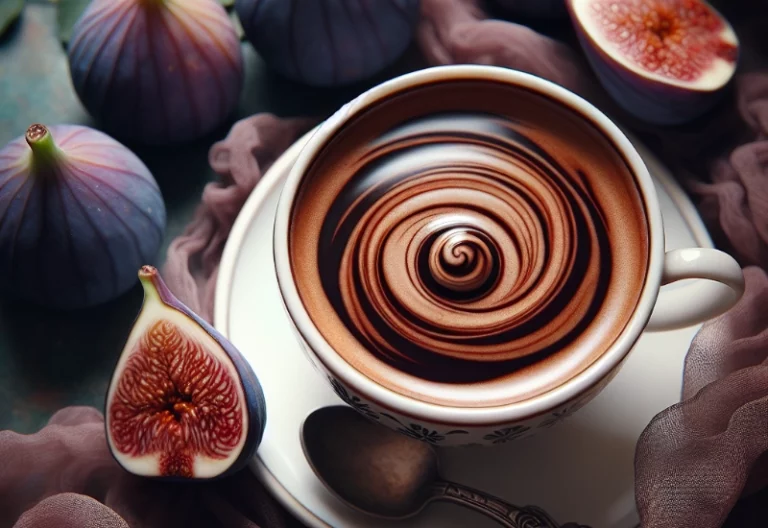
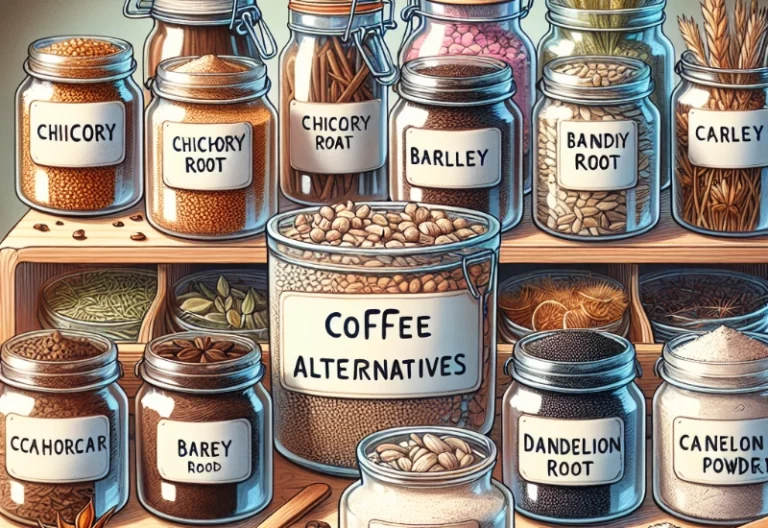
Chicory coffee is made from roasted chicory root. It’s the closest of the four to the taste of coffee: dark, bitter and roasty, with a woody, nutty edge. It has no caffeine.
- Taste: Earthier and more bitter than coffee, with less body. Milk helps a lot.
- Gut health: The root contains inulin, a prebiotic fiber. That’s the main health reason people drink it.
- No caffeine: Good if you’re cutting out caffeine completely. Some “chicory coffee” products are blended with real coffee, so check the label.
- Brewing: It works in a French press, drip machine or saucepan, and it also makes a decent cold brew or latte.
Matcha Latte
Matcha is green tea leaf ground into a fine powder, so you drink the whole leaf instead of an infusion. A matcha latte is that powder whisked with a little water and topped with steamed milk. It’s creamy and grassy, a bit sweet if you add honey, and has roughly as much caffeine as a weak coffee.
- Catechins: Because you’re drinking the whole leaf, matcha has more catechins per cup than steeped green tea.
- L-theanine: Matcha is high in this amino acid, which many people find takes the edge off the caffeine.
- Focus: Caffeine plus L-theanine is linked in some studies to better attention. The effect is modest, but noticeable to many drinkers.
- Metabolism: There’s some research on green tea and metabolism, but the effect is small. Don’t drink matcha for weight loss.
Making one at home takes about three minutes.
Ingredients
- High-Quality Matcha Powder
- Hot Water
- Steamed Milk
- Sweetener (Optional)
Instructions
- Measure 1-2 teaspoons of matcha powder into a bowl.
- Add a small splash of hot water (not boiling) and whisk to a smooth paste with no lumps.
- Heat and froth the milk, then pour it over the matcha.
- Sweeten with honey, agave or anything else you like, if you want it sweet.
Culinary-grade matcha is fine for lattes. Save the expensive ceremonial grade for drinking with water.
Related: Check out my guide on The Best Instant Coffee Alternatives for Busy Mornings
Benefits of Each Coffee Alternative
Green Tea Benefits
- It’s rich in catechins, the polyphenols most green tea research focuses on.
- It contains L-theanine, which tends to make the caffeine feel calmer.
- EGCG, the main catechin, has been studied for heart health and cancer prevention. Lab results are promising; results in people are mixed.
- Observational studies link regular green tea drinking with lower rates of heart disease and type 2 diabetes, though that doesn’t prove the tea is the cause.
Yerba Mate Benefits
- Alertness: It has enough caffeine to replace a morning coffee, which for most people is the point.
- Endurance: Some small studies suggest it may help during exercise.
- Antioxidants: It’s high in polyphenols.
- Weight and cholesterol: There’s some early research on mate and appetite, fat metabolism and cholesterol, but it’s limited.
Chicory Coffee Benefits
Chicory is caffeine-free and much less acidic than coffee, which makes it a good option if coffee gives you heartburn. Its main selling point is inulin, a soluble fiber that acts as a prebiotic, feeding the bacteria in your gut. Some research suggests inulin can help you feel full and may soften blood sugar rises after meals, though the amount in a cup depends on the product. Be aware that inulin can cause gas and bloating, especially if you have IBS.
Matcha Latte Benefits
- Antioxidants: Matcha is high in catechins, including EGCG, since you’re drinking the whole leaf.
- Calm focus: L-theanine plus caffeine tends to feel steadier than coffee alone.
- Chlorophyll: Matcha is rich in chlorophyll, which gives it its bright green color. The body already handles its own detoxification, so think of it as a nutritional bonus.
- Brain health: Some studies suggest L-theanine and caffeine together may help attention and reaction time in the short term.
How to Prepare Quick Morning Drink Coffee Alternatives
Brewing Green Tea
The two things that ruin green tea are water that’s too hot and steeping too long.
- Water: Use fresh water. Filtered helps if your tap water tastes of chlorine.
- Temperature: Around 175°F (80°C). If you don’t have a variable kettle, let boiled water sit for a few minutes, or add a splash of cold.
- Time: 2-3 minutes. Any longer and it turns bitter.
- Re-steeping: Good loose-leaf green tea can be steeped two or three times, so one spoonful can last the morning.
Preparing Yerba Mate
The traditional way uses a gourd and a metal straw with a filter on the end (a bombilla). It takes a little practice. If you’re in a hurry, a French press or mate tea bags work fine.
- Yerba: Buy loose yerba mate. Some brands include stems, which makes it milder; others are almost all leaf and powder.
- Fill the gourd: Fill it about two-thirds full without packing the leaves down.
- Shake: Cover the top with your hand, turn it upside down and shake gently, so the fine powder settles away from where you’ll sip.
- Add water: Tilt the leaves to one side and pour hot, not boiling, water into the gap. Boiling water makes it harsh.
- Drink: Put in the bombilla and sip. You can keep topping up the water many times before the flavor fades.
Brewing Chicory Coffee
Chicory takes a little longer to brew than coffee, but it’s just as easy.
- Mix: Combine 2 tablespoons of chicory root granules with 8 ounces of hot, almost boiling water.
- Steep: Leave it for about 10 minutes. If that’s too strong, use less chicory next time rather than steeping it for less time.
- Strain: Pour it through a fine sieve or coffee filter, or make it in a French press and plunge.
- Serve: Add milk and a little sweetener if you like. Chicory is much better with milk than black.
Making Matcha Latte
To make a matcha latte, sift 1-2 teaspoons of matcha powder into a small bowl so it doesn’t clump. Add about 2 ounces of hot (not boiling) water and whisk briskly in a zigzag with a bamboo whisk or a small milk frother until it’s smooth and a little foamy. Pour in 6-8 ounces of steamed milk and sweeten to taste. Oat milk works well if you don’t drink dairy.
FAQs about Quick Morning Drink Coffee Alternatives
Are Coffee Alternatives Healthier?
Not automatically. Coffee itself is fine for most people. But if caffeine disagrees with you, these drinks let you cut back without giving up a hot morning cup.
- Green tea: Less caffeine than coffee, plenty of catechins, and associated in studies with better heart health.
- Yerba mate: Similar caffeine to coffee, but some people find it sits better.
- Chicory coffee: No caffeine, low acid, and a source of inulin.
- Matcha latte: Moderate caffeine with L-theanine. Watch the sugar if you buy one at a café.
A sweetened latte of any kind can carry more sugar than you’d expect, so the healthiest version is the one you make yourself.
Can Coffee Alternatives Help Reduce Stress?
They can help, mostly by giving you less caffeine. A few options are worth knowing about:
- Green tea: L-theanine has been studied for stress and anxiety, and with green tea’s moderate caffeine many people find it leaves them alert but calm.
- Yerba mate: It’s still a stimulant, so it won’t calm you down, but people who find coffee makes them anxious sometimes tolerate mate better.
- Chamomile tea: Caffeine-free and traditionally used for relaxation. It contains apigenin, a compound that’s been studied for calming effects.
Lavender, lemon balm and passionflower teas have also long been used to relax, and they make a good afternoon swap.
Cutting back on caffeine can make a real difference to how wound-up you feel, which is a big part of why people end up living without coffee altogether.
Are There Any Side Effects of Coffee Alternatives?
A few, and they depend on the drink:
- Increased Heart Rate: Mate, green tea and matcha all contain caffeine. Drink too much and you’ll get the same racing heart and jitters as with coffee.
- Acid Reflux: Caffeinated drinks can still trigger reflux. Chicory is usually the gentlest option.
- Caffeine Withdrawal: Switching straight from coffee to caffeine-free chicory can cause headaches and tiredness for a few days. Cutting back gradually avoids most of it.
- Impact on Sleep: Treat mate and matcha like coffee and keep them to the morning.
Chicory’s inulin can also cause gas, and if you’re pregnant, on medication or have a health condition, check with your doctor before making any of these a daily habit.
Conclusion
If you just want less caffeine, swap your morning coffee for green tea or a matcha latte. If you still need a proper kick, try yerba mate. If you want no caffeine at all, chicory with milk is the closest thing to coffee in taste. Pick one, drink it every morning for a week, and you’ll know whether it works for you.