All About Spelt Coffee

Contents
Spelt coffee is a caffeine-free drink made from roasted spelt grain. It’s mild, toasty and a little nutty, closer to a malty breakfast drink than to a strong espresso. It’s popular in German-speaking countries and still something of a niche elsewhere in the world of coffee alternatives. Here’s what it is, what it’s good for, how to brew it and where to find it.
What is Spelt Coffee?
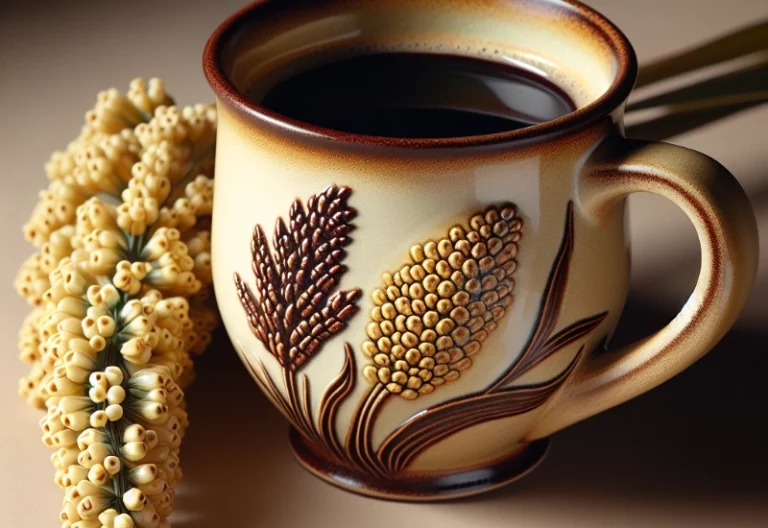
Spelt coffee (Dinkelkaffee in German) is made by roasting spelt grains until they’re dark, then grinding them. Spelt is an ancient relative of modern wheat that has been grown in Europe for thousands of years, which puts spelt coffee in the same family as barley and rye coffee: a grain-based coffee alternative.
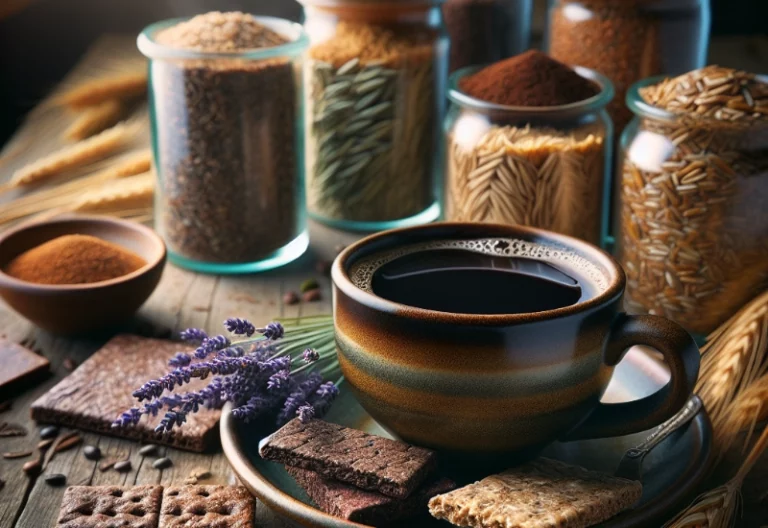
The taste is gentle. Think toasted bread crust, a hint of malt and a slightly sweet, nutty finish. It has none of coffee’s acidity and much less bitterness. Many of the products you’ll find are instant powders, sometimes blended with chicory or barley for a darker, more coffee-like cup.
One thing to know straight away: spelt is a type of wheat and contains gluten. Spelt coffee isn’t suitable for people with celiac disease or gluten intolerance.
Benefits of Spelt Coffee
The main benefit is simple: spelt coffee has no caffeine. That makes it an easy evening drink, and a good option if caffeine makes you jittery or keeps you awake, or if you’re cutting back. You get a warm, dark drink in a mug, which covers a lot of what people miss about coffee.
It’s also low in acid, so people whose stomachs react to coffee often find it easier to drink.
Spelt grain itself is a good source of minerals like magnesium, manganese and phosphorus, and roasted grains contain some antioxidant compounds. Be realistic about how much of that ends up in a brewed cup, though. Most of it stays in the grounds, so think of spelt coffee as a pleasant drink rather than a nutritional supplement.
It’s also easy to adapt. Drink it black, with milk or plant milk, sweetened with a little honey, or blended with chicory if you want more bite. Instant spelt coffee can be stirred into porridge or used in baking for a malty flavor.
How to Make Spelt Coffee
Instant spelt coffee is the easiest: stir one or two teaspoons into a cup of hot water or milk. For ground roasted spelt, treat it like coffee grounds, but use a bit more and give it longer. Grain coffee is milder than coffee and takes more time to extract.
A simple method:
- Use about 1 heaped tablespoon of ground roasted spelt per cup (8 ounces) of water.
- Brew it in a French press with just-boiled water for 5 to 8 minutes, or simmer it gently in a pan for about 5 minutes and strain through a fine sieve.
- If it tastes thin, use more grounds or a finer grind rather than brewing for longer, which can make it taste stewed.
A pour-over works too, if the grind is medium-fine. Ground spelt usually doesn’t work well in espresso machines, as it can clog the filter, so check the packaging before you try.
Where to Buy Spelt Coffee
Spelt coffee is easiest to find in Germany, Austria and Switzerland, where organic supermarkets and drugstores often stock it. Elsewhere, try these:
- Health food stores: Look in the coffee alternatives section for spelt coffee on its own or in grain coffee blends with barley, chicory or rye. Organic versions are common.
- European or German grocery stores: These often carry German and Swiss brands of instant spelt coffee.
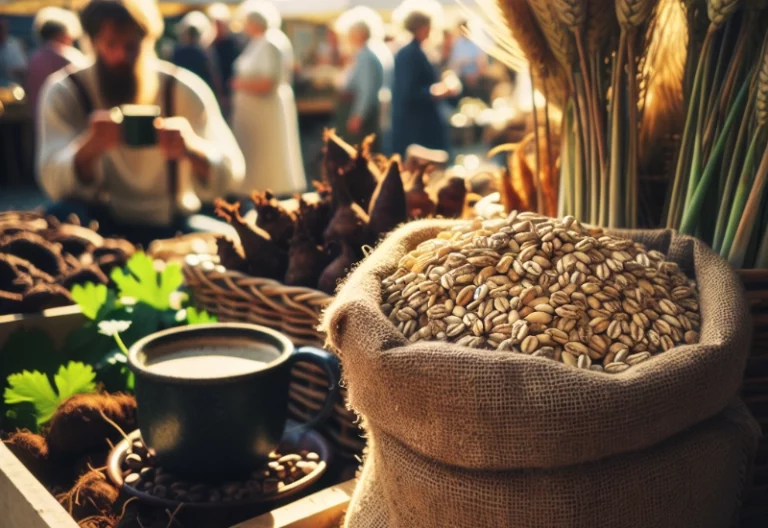
- Online retailers: The widest choice, including instant powders, ground spelt and blends. Check the ingredient list to see if it’s pure spelt or a mix.
If you’re buying a blend, read the label. Some grain coffee blends contain chicory, figs or other ingredients that change the flavor, and some (rarely) include real coffee.
Conclusion
Spelt coffee is a good choice if you want a mild, caffeine-free hot drink that’s easy on the stomach and you don’t need to avoid gluten. It won’t replace a strong black coffee, but with milk it makes a comforting breakfast or evening cup. If you find it too gentle, try a spelt and chicory blend for more depth.