Lion’s Mane vs. Cordyceps: Which Mushroom Coffee to Choose

Contents
Short answer: lion’s mane is the mushroom marketed for focus and memory, cordyceps is the one marketed for energy and exercise. If you sit at a desk all day, lion’s mane is the more logical pick. If you want something before a workout or a physically demanding day, try cordyceps. Plenty of blends include both.
The research behind both is early, so know what is in the jar before paying premium prices for functional mushroom coffee.
What Actually is Mushroom Coffee?
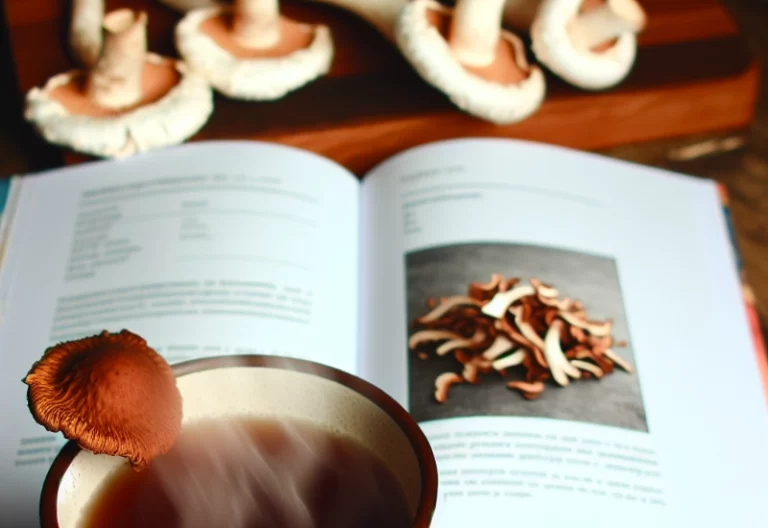
It doesn’t taste like mushroom soup. Mushroom coffee is a powdered or ground drink that combines extracts from medicinal mushrooms with a base, usually regular coffee. Most popular brands use real coffee and contain caffeine, typically less than a full cup of coffee because part of each serving is mushroom extract. Others use a caffeine-free base like roasted chicory, dandelion root or cacao.
The coffee-based versions taste close to ordinary coffee, sometimes a little earthier or smoother. The caffeine-free ones taste like whatever the base is. Check the label: if you’re trying to avoid caffeine, the word “mushroom” on the pack doesn’t mean the drink is caffeine-free.
Lion’s Mane: The Brain Booster
Lion’s mane (Hericium erinaceus) is a white, shaggy mushroom that looks a bit like a pom-pom or, if you squint, a lion’s mane. Of the functional mushrooms, it’s the one most associated with brain health.
The Science of Focus
Lion’s mane contains two groups of compounds, hericenones and erinacines. Lab and animal studies suggest these compounds may stimulate nerve-cell growth and the release of Nerve Growth Factor (NGF), a protein that helps maintain neurons1. Human research is still early and small2, so these benefits are promising rather than proven.
What it may help with:
- Mental clarity: May help with focus, without the jittery edge of a strong coffee. Don’t expect a noticeable kick.
- Mood: Some small studies hint at mood benefits, but more research is needed.
Who Should Drink Lion’s Mane?
It makes most sense for people whose work is mental: students, writers, programmers, anyone doing long stretches of concentrated work at a desk. A lion’s mane coffee with a moderate amount of caffeine is a reasonable swap for your second or third cup. Avoid it if you’re allergic to mushrooms.
Cordyceps: The Energy Engine
Cordyceps is a group of fungi that grow on insects. The famous wild species from the Tibetan plateau (Ophiocordyceps sinensis) has been used in traditional Chinese and Tibetan medicine for centuries and is extremely expensive. Most cordyceps in supplements and coffees today is Cordyceps militaris, which can be cultivated and has similar active compounds.
The Science of Stamina
Cordyceps is thought to support your body’s production of adenosine triphosphate (ATP), the molecule that delivers energy to your muscles. Some small studies suggest it may help endurance, such as how long you can exercise before tiring, but results on how the body uses oxygen are inconsistent3.
What it may help with:
- Gentler energy: Cordyceps isn’t a stimulant. Any “energy” from a cordyceps coffee mostly comes from the coffee in it, so a coffee-based blend with less caffeine can feel gentler than espresso.
- Endurance: Some small studies suggest it may support endurance, though results are mixed.
- Pre-workout: Many people drink it before exercise as a milder pre-workout.
Who Should Drink Cordyceps?
People with physically demanding days: athletes, early gym-goers, people on their feet all day. If you want something warm before a run or a workout that’s less intense than a double espresso, a cordyceps coffee is worth trying. Cordyceps may affect blood sugar and blood clotting, so check with your doctor if you take medication for diabetes or a blood thinner, or if you’re pregnant.
The Showdown: Which Should You Choose?
| Feature | Lion’s Mane | Cordyceps |
|---|---|---|
| Marketed For | Mental focus & cognition | Physical energy & stamina |
| Best Time to Drink | Morning or before focused work | Before a workout or physical work |
| Evidence | Early; mostly lab, animal and small human studies | Early; small exercise studies with mixed results |
| Caffeine | Depends on the base, not the mushroom | Depends on the base, not the mushroom |
Can You Mix Them?
Yes. Many brands sell blends with both, often adding chaga and reishi, which are marketed for immune support and stress. Blends are convenient, but each mushroom tends to be present in a smaller amount, and labels don’t always say how much of each you’re getting.
The Bottom Line
Pick lion’s mane if your days are mostly mental, cordyceps if they’re mostly physical, and a blend if you can’t decide. Either way, check how much caffeine is in it, and treat the mushroom as a bonus rather than the main event. The biggest change most people feel when they switch is simply drinking less caffeine.
Sources
-
Neurohealth Properties of Hericium erinaceus Mycelia Enriched with Erinacines, Behavioural Neurology, 2018 ↩
-
The Acute and Chronic Effects of Lion’s Mane Mushroom Supplementation on Cognitive Function, Stress and Mood in Young Adults: A Double-Blind, Parallel Groups, Pilot Study, Nutrients, 2023 ↩
-
Ergogenic Aid by Cordyceps: Does It Work??, Current Nutrition Reports, 2025 ↩