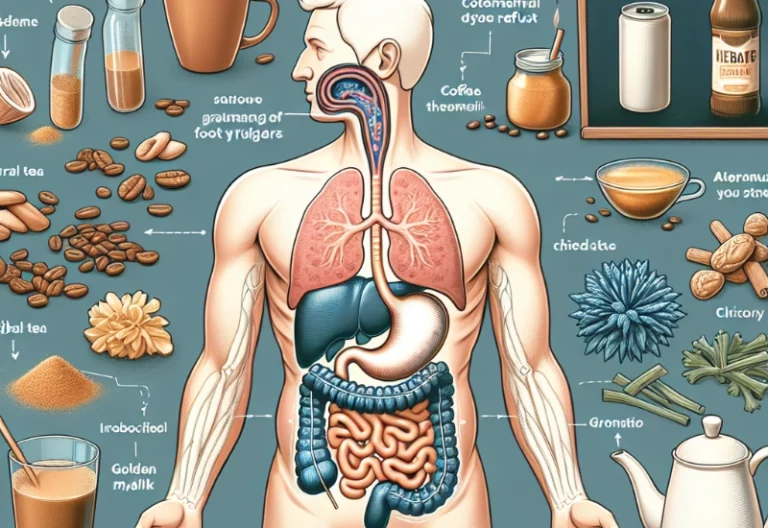
The Best Organic Coffee Alternatives to Try

Contents
Organic coffee alternatives are drinks like dandelion root coffee, chicory, grain coffee, herbal tea and mushroom-based brews, made from ingredients grown to organic standards. Most are caffeine-free, and nearly all of them come in certified organic versions if you look. Here’s what “organic” actually gets you, the main options and how to pick one.
What are Organic Coffee Alternatives?
An organic coffee alternative is a coffee substitute made from ingredients grown and processed under organic farming rules. In the US that means USDA Organic certification, and in the EU the green leaf logo. Both ban most synthetic pesticides, herbicides and fertilizers, and both ban genetically modified ingredients. People choose them for a few different reasons:
- Health Concerns: Fewer synthetic pesticide residues. Roots like chicory and dandelion grow in the soil, so some people prefer to know how that soil was treated.
- Environmental Sustainability: Organic farming is designed to cut chemical runoff and protect soil.
- Flavor and Quality: Some people think organic ingredients taste better. That’s more about the producer than the label, but organic brands do tend to be smaller and pickier.
- Supporting Biodiversity: Crop rotation and fewer pesticides are generally better for insects and soil life.
- Caffeine Sensitivity: Most coffee alternatives are caffeine-free, organic or not. This is a reason to switch from coffee, not a reason to pick organic.
- Dietary Restrictions: There are options that are vegan, gluten-free or low in acid. Organic doesn’t guarantee any of these, so check the label.
- Ethical Considerations: Organic certification covers how crops are grown, not how workers are paid. If fair labor matters to you, look for a Fair Trade label as well.
- Novelty and Variety: There are plenty of flavors to try that coffee doesn’t offer.
In short, organic tells you how the ingredients were farmed. It doesn’t tell you whether the drink is healthier, tastier or fairly traded, though it’s often a good sign of a careful producer.
Benefits of Organic Coffee Substitutes
The benefits break down into what organic does for you, what it does for the land, and what any coffee alternative does compared with coffee. It helps to keep those separate.
- Reduced Chemical Exposure: Organic products tend to carry lower pesticide residues than conventional ones. How much that matters for health at normal residue levels is still debated, but if you’d rather avoid them, organic is the easiest way to do it.
- Environmental Sustainability: Organic farms rely on compost, cover crops and crop rotation instead of synthetic inputs, which generally means less chemical runoff and healthier soil.
- Enhanced Flavor: Some people find organic products taste better, but there’s no solid evidence that organic farming changes the flavor. Freshness and roast matter much more.
- Support for Biodiversity: Organic farms usually host more insects, birds and soil organisms than conventional ones, which is good for pollinators.
- Health Benefits : Most coffee alternatives, such as chicory and herbal teas, are naturally caffeine-free. That means a drink that won’t disrupt sleep patterns or give you the jitters. This comes from the plant, not from it being organic.
- Ethical Practices: Some organic brands are also Fair Trade certified, but the two are separate. Check for both if it matters to you.
- Dietary Compatibility: Many options are vegan and low in acid. Gluten-free depends on the ingredients: barley and rye coffees aren’t.
- Innovation and Variety: The range has grown a lot. From grain-based drinks to herbal blends, there’s plenty to try even if you only buy organic.
If organic is important to you, you won’t have to give up much choice. Just don’t assume the label makes a drink healthier than its non-organic equivalent.
Common Organic Coffee Alternatives
These are the main types you’ll find in organic versions. Most are caffeine-free. Mushroom coffee is the exception, since many blends contain real coffee.
- Dandelion Root Coffee: Roasted dandelion root. Earthy and bitter, with more body than you’d expect.
- Chicory Coffee: Roasted chicory root. Woody, a little nutty and the most coffee-like of the lot. Often blended with other roasted ingredients.
- Mushroom Coffee: Mushroom extracts such as reishi, chaga or lion’s mane, usually mixed with coffee or cacao.
- Herbal Tea: Everything from chamomile to peppermint to hibiscus. Doesn’t taste like coffee, but it’s the easiest to find organic.
- Grain-Based Coffee Alternatives: Roasted barley, rye or other grains, often blended with chicory. Toasty and mild.
Dandelion Root Coffee
Dandelion root coffee is made from roasted, ground dandelion roots, brewed like coffee. It’s caffeine-free and tastes earthy and bitter, with a bit of sweetness from the roast. On its own it’s thinner than coffee, which is why it’s often sold in blends with chicory or carob. It’s traditionally used for digestion and liver health, though human research on this is limited. Organic matters a bit more here than for some alternatives, because dandelions are common in sprayed fields and lawns. If you harvest your own, stick to places you know haven’t been treated.
Chicory Coffee
Chicory coffee is made from roasted chicory root. It’s been used as a coffee substitute and stretcher since at least the early 1800s, and it’s still the base of New Orleans-style coffee. The flavor is dark, woody and bitter, with less acidity than coffee. Pure chicory is caffeine-free. Coffee-and-chicory blends aren’t, so check which one you’re buying. Chicory is high in inulin, a prebiotic fiber. That’s good for most guts, but it can cause bloating if you have IBS. Organic chicory granules are easy to find online and in health food stores.
Mushroom Coffee
Mushroom coffee is made from powdered mushroom extracts, usually reishi, chaga, lion’s mane or cordyceps, mixed into a base. The base is often regular coffee, so many of these drinks still contain caffeine, just less than a normal cup. Others use cacao, chicory or herbal bases and are caffeine-free. Read the label if caffeine matters to you. The mushrooms are sold as adaptogens for stress, focus and immunity, but most of that evidence comes from animal or lab studies. The taste is mostly whatever the base tastes like, with an earthy undertone.
Herbal Tea
Herbal teas don’t pretend to be coffee, but they’re the easiest organic alternative to find and the cheapest. Chamomile is mild and good in the evening. Peppermint is sharp and helps settle the stomach. Rooibos is sweet and takes milk well, so it feels most like a morning drink. Hibiscus is tart and works well iced. All of these are caffeine-free, and most supermarkets carry organic versions.
Grain-Based Coffee Alternatives
Grain coffees are made from roasted grains brewed like coffee. Barley and rye are the most common, and many blends add chicory. They taste toasty and malty, milder and less bitter than coffee, and they’re low in acid. Barley and rye both contain gluten, so they’re not suitable for people with celiac disease. Gluten-free grain drinks exist (roasted brown rice, for example, or buckwheat-based blends), but you’ll have to look harder for organic versions.
How to Choose the Best Organic Coffee Alternative for You
Start with taste. If you want something close to coffee, go for chicory, dandelion or a roasted grain blend. If you’re happy with something different, herbal teas give you the most variety. Mushroom coffees made with a coffee base taste the most like the real thing.
Next, decide on caffeine. Root, grain and herbal options are caffeine-free. Mushroom blends with a coffee base still contain some. Matcha or yerba mate are good organic options if you want caffeine without coffee.
Then think about your health. Low acid matters if you get heartburn. Gluten matters if you’re celiac. FODMAPs matter if you have IBS, in which case be careful with chicory and dandelion, as both are high in inulin. Don’t choose a drink based on vague wellness claims on the bag.
Last, brewing. Root and grain coffees work in a French press, drip machine or saucepan. Most need a bit more grounds than coffee and a slightly longer steep. Instant versions are the easiest. Expect to adjust the strength over the first few cups.
Buy small bags of two or three options first. You’ll know within a week which ones you’d actually drink every day.
Conclusion
For most people switching from coffee, organic chicory or a chicory-and-grain blend is the best first try, because it’s the closest to coffee in taste. If you want no caffeine and something gentler, organic herbal tea is cheap and easy to find. Organic is worth paying a little more for if you care about pesticides and farming practices. Just remember that it’s a farming standard, not a health claim, and check for Fair Trade separately if that matters to you.