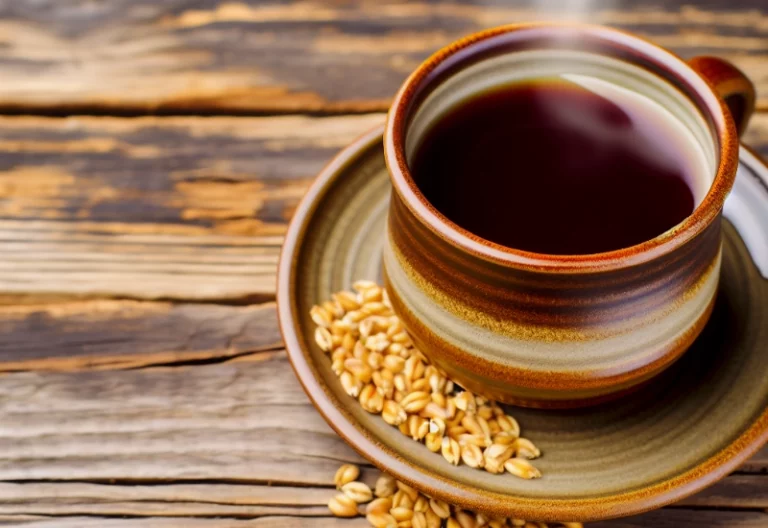
Prebiotic Coffee Alternatives for a Healthier Gut

A prebiotic coffee alternative is a coffee-style drink made from ingredients that contain fiber your gut bacteria can feed on. In practice that mostly means roasted chicory and dandelion root, which are naturally rich in a fiber called inulin, plus some newer blends with added prebiotic fibers.
They replace coffee with something gentler on the stomach that also feeds your gut bacteria a little. The amounts are small, so a cup won’t transform your digestion, but it’s a reasonable upgrade to a morning habit.
Contents
Inulin: Why Chicory and Dandelion Root Matter
Roasted chicory and dandelion root are the base of many caffeine-free blends, including Dandy Blend and Rasa, because roasting gives them a dark, bitter flavor that’s close to coffee.
Coffee beans don’t contain much inulin. Chicory root does, and dandelion root has a fair amount too. Inulin is a soluble fiber that your body can’t digest itself. It passes into the large intestine, where gut bacteria ferment it. That’s what makes it a prebiotic.
Prebiotics vs. Probiotics
Probiotics are live beneficial bacteria, found in yogurt, kefir, kombucha and supplements. Prebiotics are the fiber those bacteria (and the ones already in your gut) feed on. The two work together: a diet with plenty of fiber helps beneficial bacteria grow, whether or not you take probiotics.
A cup of roasted chicory or dandelion delivers some prebiotic fiber, but not a lot. Roasting breaks down part of the inulin, so the amount in a cup varies by brand and brew strength, and it’s modest compared with a fiber supplement or a meal with plenty of vegetables. For a closer look at the brands behind these blends, see our MUD\WTR vs. Rasa vs. Dandy Blend comparison.
What inulin may do:
- Digestion: May help with regularity for some people (see the note below if you have IBS or a sensitive gut).
- Gut bacteria: Inulin is known to feed Bifidobacteria, a group of beneficial gut bacteria. One cup gives only a small amount.
- Blood sugar: Soluble fiber can slow digestion and may blunt blood sugar spikes after a meal, although again, one cup won’t do much.
Adding Collagen
Collagen peptides are a popular add-in for people building a gut-focused morning drink. Collagen is rich in the amino acids glycine and proline, and it’s often marketed for supporting the gut lining. Good human evidence that it prevents or heals “leaky gut” is lacking, though, so think of it as an easy protein boost rather than a treatment.
Unflavored collagen dissolves fully in hot liquid and barely changes the taste. It comes from animal sources (usually cows or fish), so it isn’t suitable for vegans, and it’s not a complete protein on its own.
How to Build a Gut-Friendly Morning Brew
You don’t need an expensive pre-mixed formula. You can make one at home:
- The base: 1 to 2 tablespoons of a chicory or dandelion root alternative (such as Rasa or Dandy Blend), brewed or dissolved in about 8 ounces of hot water.
- The protein: 1 scoop of unflavored collagen peptides.
- The fat (optional): A splash of cream, coconut milk or MCT oil makes it creamier and more filling.
- The mix: Stir well, or use a milk frother for a latte-style foam.
If you’re new to chicory or dandelion, start with the smaller amount of base. Your gut needs time to get used to more fiber.
Prebiotic Blends Worth a Look
If you’d rather buy something ready-made, a few brands combine root-based or added prebiotic fibers with other functional ingredients. Formulas change, so check current labels.
- Everyday Dose (Mushroom Coffee): Coffee extract (roughly 45 to 90 mg of caffeine per serving, so it isn’t caffeine-free) with collagen peptides, L-theanine and lion’s mane and chaga extracts. It’s a mushroom coffee with gut-friendly extras rather than a root-based prebiotic blend.
- Teeccino (Prebiotic SuperBoost): Teeccino makes caffeine-free herbal coffee from roasted ingredients including chicory and carob. Its Prebiotic SuperBoost line adds extra prebiotic fibers (GOS and XOS) on top.
- Four Sigmatic (gut health blends): Some of their blends pair chaga mushrooms with eleuthero and prebiotic fibers. Check the label for caffeine, as some Four Sigmatic products contain coffee.
Who Should Be Careful With Inulin?
Inulin is a high-FODMAP fiber. In some people, especially those with IBS, SIBO or a sensitive gut, it can cause gas, bloating, cramping or loose stools. If that sounds like you, start with a half serving, see how you feel, and talk to your doctor or a registered dietitian before making prebiotic brews a daily habit. Chicory is also in the same plant family as ragweed, so people with that allergy should try a little first. Our guide to IBS-friendly coffee alternatives covers lower-FODMAP options.
The Bottom Line
A chicory or dandelion brew is easier on most stomachs than coffee and adds a little prebiotic fiber to your day. Collagen adds some protein if you want it. Neither replaces a fiber-rich diet, and if you have IBS, go slowly. But as swaps go, it’s a sensible one.
Want more options that are easy on the stomach? Browse our gut-friendly coffee alternatives.